
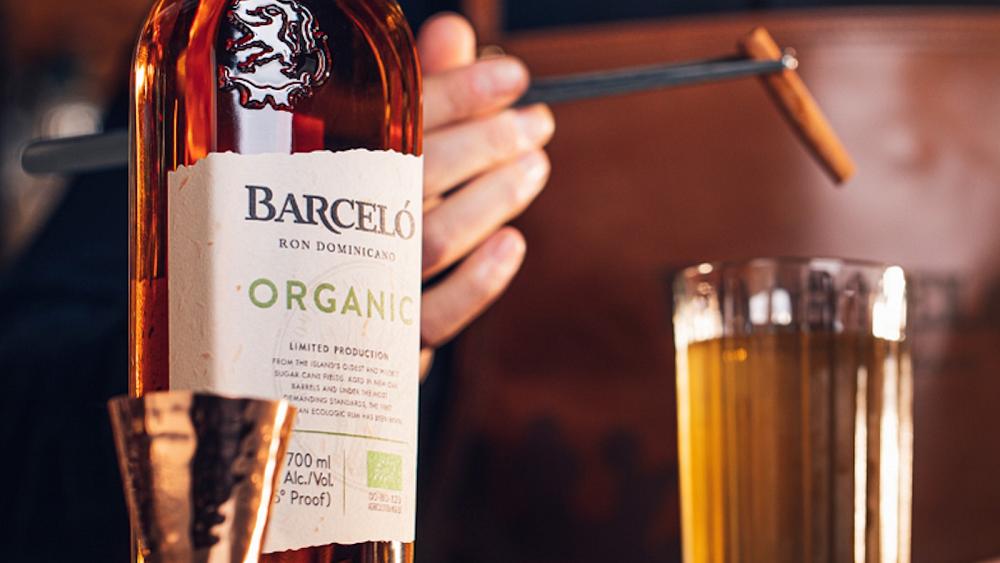
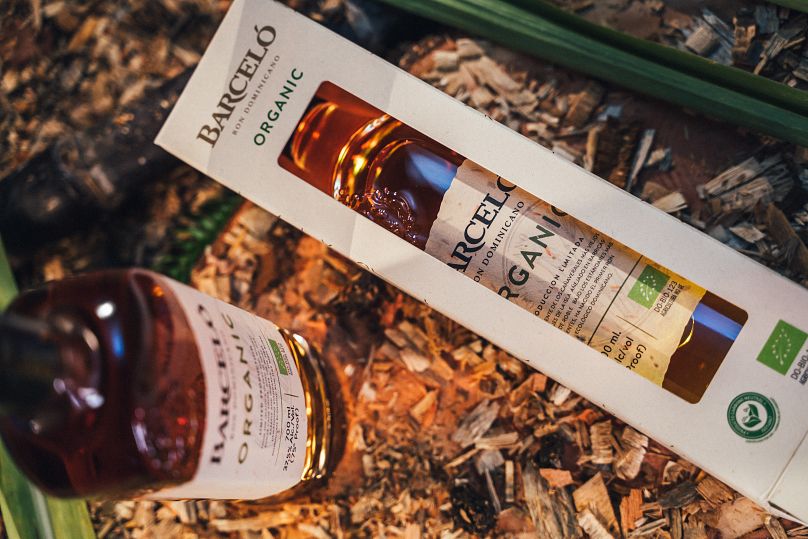
The product is a result of the natural production of sugarcane, aged in a unique way and using eco-friendly packaging printed with organic ink.
Rum producer Ron Barceló introduced its Organic product to the market, which became the first organic rum in the Dominican Republic. Distilled from the fresh juice of sugarcane grown in fields free of fertilizer and added chemicals, it is produced under the rigorous implementation of their RB360 sustainability code.
For its production, a select cane field of only1.5 square kilometres is used, one which lies on the banks of the river next to the distillery. On this land, sugarcane is grown in a completely natural way, resulting in a limited production of only 39,670 cases per year, for the entire world.
Barceló Organic ages in a mix of selected oak wood barrels of different ages, giving it an intense amber colour and subtle notes of cocoa, tobacco leaves, fleshy fruits and rose pepper.
“With this product, we are honouring Mother Nature through completely sustainable cultivation and eco-friendly packaging, made from vegetable fibre extracted from the bagasse resulting from the extraction of the cane juice, and printed with completely organic ink”, said Chiara Pennacchio, Global Marketing Director at Ron Barceló. “The cane residue is also used as biomass for the production of clean energy in the manufacturing process of all Barceló rums.”
The brand has been recognised for its commitment to protecting the environment. Its products are made under the brand’s RB360 sustainability code, an ambitious programme that allows the company to monitor and manage its activity across the entire business operation in alignment with the fulfilment of the UN Sustainable Development Goals. In 2016, the firm’s adherence to good environmental management practices made it the first Dominican rum producer to receive the Carbon Neutral and ISO14064-1 certifications, based on the NORDOM 798 standard. It was also the first to obtain and to use the Bilan Carbone® licence.
Ron Barceló measures its carbon emissions and reduces them by using biomass and photovoltaic cells to produce clean energy (which represents 90% of the energy used in its rum-making process), as well as CO2 recovered during the fermentation phase. This CO2 is then used to create bubbles in soft drinks. By-products from the distillation of cane juice, such as vinasse, are also used as a natural fertilizer. To offset emissions that it cannot reduce, the firm finances green projects in different countries. Those projects have been certified under the corresponding standards and contribute to the mitigation of the effects of climate change.
As noted by Vinicio Subero, Global Business and Supply Chain Director at Ron Barceló, launching Barceló Organic is a natural next step in the company’s commitment not only to environmental sustainability but also to the production of the highest quality products.